Your Client’s Dog is choosing, just not them
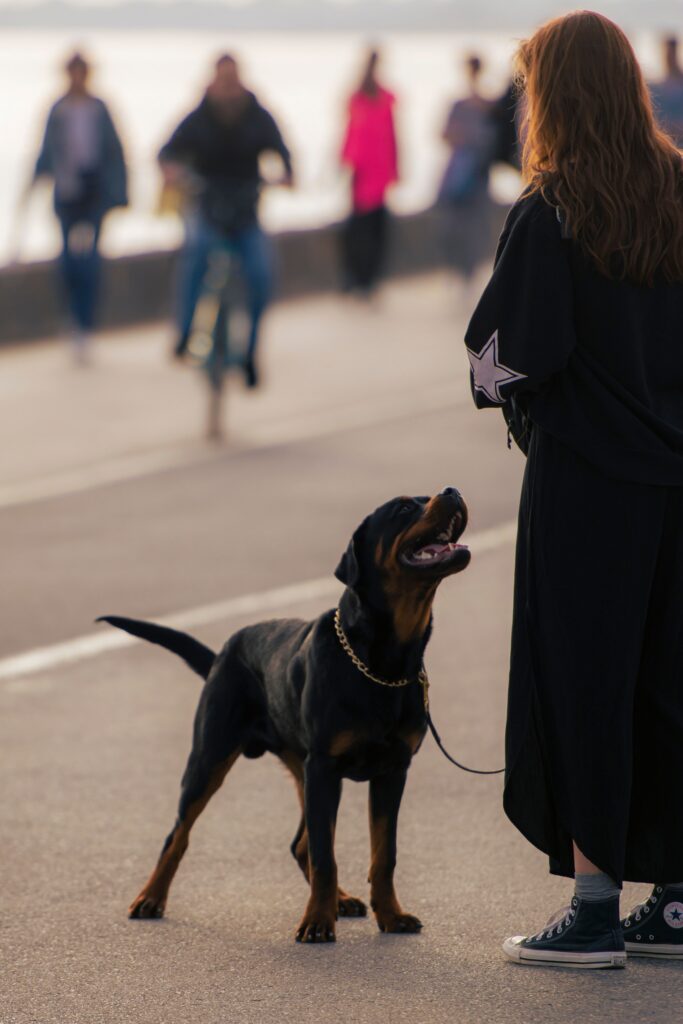
A dog owner hires you because their dog gets distracted when they spot a dog on a walk. Another struggles with the dog pulling on leash when a squirrel races past them. A third is frustrated because their dog is fantastic at home, yet blows off their instructions in public. Each of these client dogs is choosing, just not them.
This is not criticism of your client. It’s actually the most important thing you can help them understand. Because if their dog is capable of choosing, they are capable of choosing their owner.
It’s Not Stubbornness. It’s a Priority!
One of the first things you should discuss with your client is the label they put on their dog. Stubborn. Difficult. Untrainable. Dumb. Once we assign a label, we create a mindset. None of us want to be labeled. We are not one demential. There are many layers to us and just as many layers to our dogs.
What’s really happening is much simpler:
the environment feels more important than your client does at the moment.
The squirrel, another dog, the interesting smell. Those things are offering something compeling. Your client hasn’t yet become more compelling than any of that. Not because their are a bad owner, but because that kind of relationship is built, not assmed.
This lesson is one of the most valuable things you can offer a new client. Engagement isn’t forced. It’s earned. And you are going to show them how.
Help Your Client See the Small Moments
As dog trainers, we want to teach our clients to view their dog differently. Most dog owners are waiting for the BIG moments, They rate success on the perfect sit, flawless recall or a dramatic breakthrough. They are often missing something that is happening right in front of them.
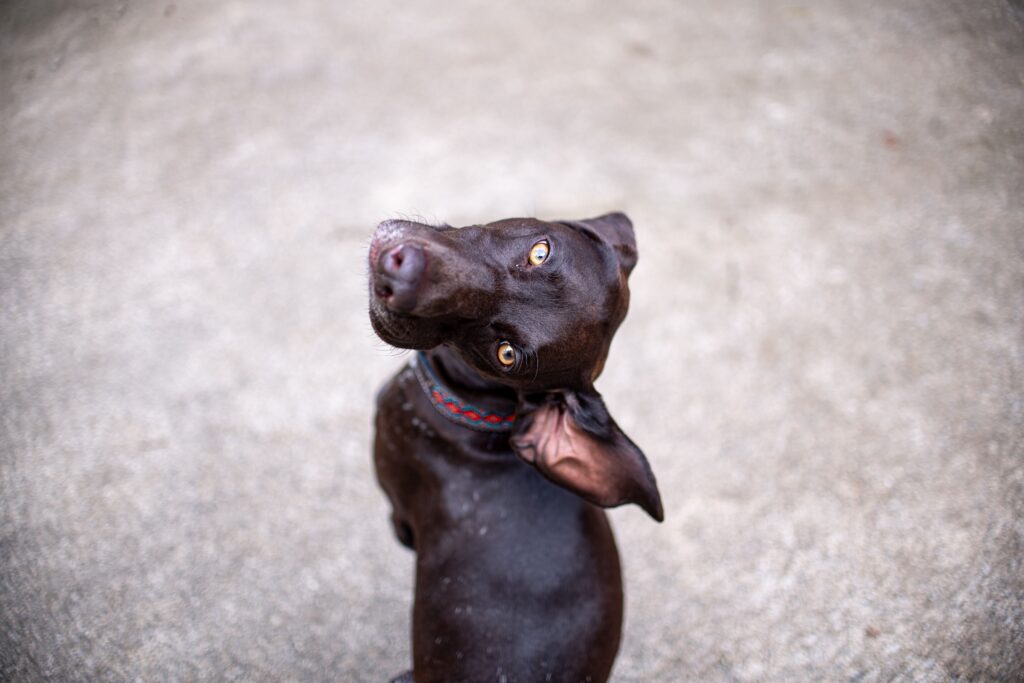
When their dog glances back at them on a walk, it is a check in. Teach your client to reward that moment. Not with a big production, just acknowledgement. A mark and treat, praise, a gentle touch. Something that tells the dog that looking at my owner is worth it.
Over time, those micro-moments stack up. The dog starts learning that their owner is a source of good things. When I pay attention to the person walking me, it pays off. That this person is worth orienting toward, even when the world around them is loud and interesting.
When your client starts to notice and respond to these small moments, everything else falls into place.
Four Things to Coach Your Client on Right Away
When you are working with a new client, help them shift their approach in these four key areas:
- Reward every check in. When their dog offers attention, especially unprompted, it needs to be marked and rewarded. Teach your client to catch these moments and respond to them. It teaches the dog that checking in with their owner is always a good idea. I am going to add that I do not agree with cuing your dog to look. That is training rather than building a connection. Show them how to look. I will teach you how below.
- Notice the small moments. Coach your client to stop waiting for big, flashy behavior. The tiny offered glances, the slight lean, the pause before the pull are all training opportunities hiding in plain sight. Help them see what they’ve been missing.
- Stop over-cueing. This is a hard habit to break for many dog owners. Repeating commands over and over teaches a dog to tune their owner out. Help your client understand that when their voice becomes constant background noice, it loses all meaning. (Think children. When we yell all the time they tune us out). Less is more. We want to teach dogs that our cues are worth responding to.
- Make themselves predictable. Dogs feel safe with consistency. Coach your client to show up as a calm, clear and reliable dog handler. When a dog knows what to expect from their owner, that owner becomes an anchor in an unpredictable world. That sense of safety is what makes the owner magnetic to their dog.
The Goal Isn’t control. Your client Needs to Understand That
Here’s the mindset shift that will define your relationship with every new client:
The goal isn’t a dog who obeys. It’s a dog who chooses their owner.
Control is fragile. It breaks down the moment the leash comes off, the moment something more exciting appears, the moment the dog is frightened and looking for something to trust.
Choice is different. Choice is a dog, in the middle of chaos, turning back to look at their owner. Not because they have to, but because that person has become the most important thing in the environment.
That’s the relationship your client came to you to build. When you help them understand why their dog isn’t choosing them and show them the small, consistent steps to change that, you become more than a trainer.
You become the person who changed how they see their dog entirely.
So the next time a new client sits down with you and says their dog is stubborn, distracted and/or unable to listen, make this your starting point.
Help them understand that their dog is already choosing.
They need your help to become worth choosing!
Most dog trainers teach commands. The best ones understand what happens inside the dog before a command is ever given. Our advanced dog trainer course teaches the nervous system science that separates a good trainer from an exceptional one. Why dogs shut down. Why they cannot focus. Why they learn easily one day and forget everything the next.
You’ll finish this program and realize you were only working with half the picture. The other half changes everything. Our advanced dog trainer course is expected to hit our site October 2026. ISCDT.com
Photo credits:
Photo of woman and black dog – IDRISS BELHAMADIA
Photo of dog looking back – Brixiv